
Funerals used to be handled almost entirely within families and communities, with a neighbour helping dig a grave, a church group organising the wake, and relatives close enough to share the load. That world has largely disappeared. Families today are busier, more spread out, and shaped by a wider mix of cultures and beliefs than a generation ago. Out of that shift, the modern funeral home has taken on a role that goes far beyond logistics.
This isn’t about what a funeral home does step by step or how to pick one. It’s about why this role exists at all, how it’s shifted over the years, and where it’s heading next.
From Community Tradition to Professional Care
A few decades ago, most of the “work” of a funeral was shared informally. Today, that same work, including legal paperwork, coordination, and ceremony planning, has moved to professionals, not because families care less, but because modern life leaves less room to carry it alone.
That shift isn’t a loss. It’s allowed families to lean on people trained specifically to hold space for grief while still getting the practical details right, something that’s much harder to do well in the middle of losing someone you love.
Funerals Are Becoming More Personal, Not Less
One of the clearest changes in recent years is how much more personalised funerals have become. A generation ago, most services followed a fairly fixed format. Today, families increasingly shape services around the specific person being honoured, rather than a general template.
This shows up in small and large ways:
- Families choosing eco-friendly options like natural burials
- Live-streamed or recorded services so relatives abroad can take part
- Personal touches, such as music, video tributes, and keepsakes, replacing generic formats
- A shift from “the funeral we’re supposed to have” to “the farewell that fits this person”
A modern funeral home’s role has grown to include making all of this possible, whether a family chooses a full funeral service built around tradition, or a simpler, more private cremation service, rather than running a standard, one-size-fits-all ceremony.
Grief Doesn’t Follow a Schedule, But Modern Life Does
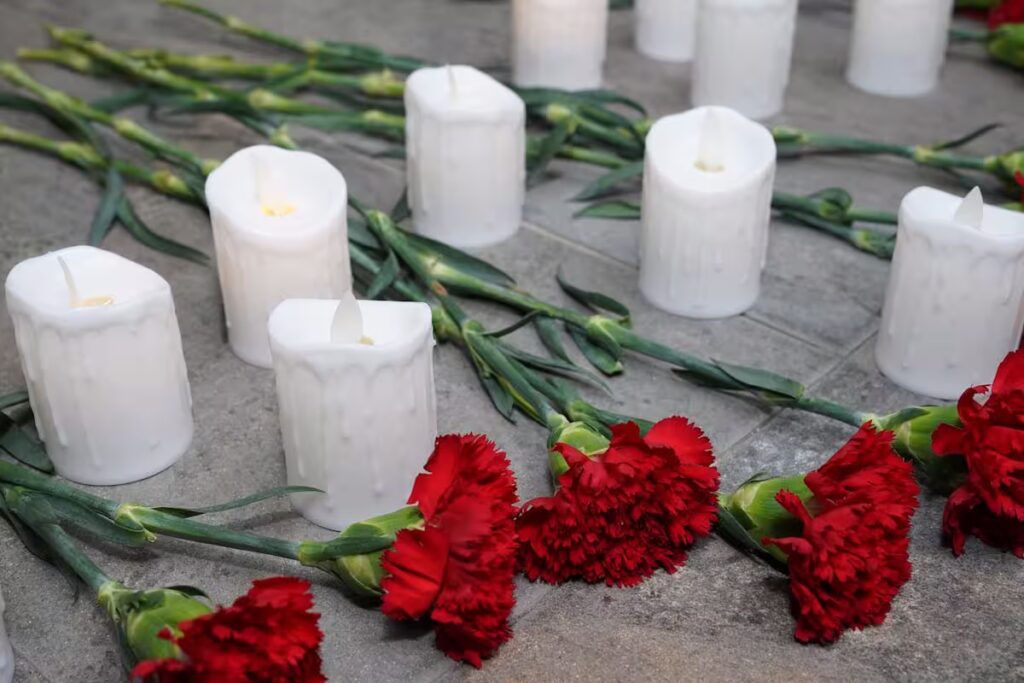
Perhaps the deepest shift isn’t logistical at all. It’s emotional. Families today often feel more isolated in grief than in the past, simply because fewer people live nearby, and mourning rituals that used to unfold naturally within a community now have to be actively created.
This is where the human side of a funeral home’s role really shows up. Not in managing paperwork, but in being a steady, unhurried presence for people who are, often for the first time, facing decisions they’ve never had to make before.
A Role That’s Still Part of the Community
Even as funerals have become more individualised, funeral homes haven’t stepped back from community life. Many have leaned further into it. Supporting local causes, offering grief education, and staying present for families well after a service has ended are part of how funeral homes today try to replace some of what more tightly-knit communities once provided on their own.

Where This Is Heading
The direction is fairly clear: more personalisation, more digital options for distant family, and more attention to environmental impact in how funerals are conducted. Technology and changing attitudes toward death and remembrance will keep reshaping the details.
What won’t change is the underlying reason this role exists at all: families needing steady, compassionate guidance through one of the hardest moments they’ll face, at a time when fewer people have a village to lean on.
At Bayview Funeral Home, we’ve watched this shift firsthand while supporting Cape Town families for years. If you’d like to talk through your options, get in touch with our team today.