
When there is a death at home in Cape Town, the experience can feel intensely personal and overwhelming. The familiar surroundings that once brought comfort can suddenly feel unfamiliar. In those first moments, many families in Cape Town find themselves asking the same questions: What do we do now? Who do we call? What is legally required?
Understanding the process in advance can ease some of the anxiety during an already painful time. While every situation is different, there is a clear and structured procedure that must be followed when a death occurs at home in South Africa. Knowing what to expect can bring a small but important sense of calm.
The First Moments After a Death at Home
The first step is simply to pause. Shock, disbelief and confusion are natural responses. Unless there are suspicious circumstances, there is no immediate rush once death has occurred. What happens next depends largely on whether the death was expected or unexpected.
If your loved one had been ill and was receiving palliative care or medical supervision, the process is usually straightforward. You should contact the attending doctor, hospice nurse, or medical practitioner who was overseeing their care. A registered medical professional must officially confirm the death and complete the Medical Certificate of Cause of Death. This document is essential before any funeral arrangements can proceed.
If the death was sudden or unexplained, the situation is handled differently. Emergency medical services and the South African Police Service must be contacted so that the death can be formally assessed. In some cases, particularly where the cause of death is unclear, the deceased may be transferred to a state mortuary for further examination. While this can feel distressing, it is a legal safeguard and part of standard procedure in the Western Cape.

Contacting a Funeral Home in Cape Town
Once the death has been officially confirmed, the next step is to contact a funeral home. This is often the moment where families feel the most relief, as professional guidance begins.
Choosing a locally experienced funeral home in Cape Town makes a significant difference. Local knowledge means understanding how documentation is processed in the Western Cape, how municipal burial orders are obtained, and how bookings are secured at facilities such as Maitland Crematorium. It also means being able to respond quickly anywhere across the city, from the Southern Suburbs to the West Coast and surrounding areas.
Bayview Funeral Home & Cremations provides 24-hour assistance to families across Cape Town. From the respectful collection of your loved one to managing legal documentation and guiding you through funeral or cremation arrangements, their role is to bring clarity and steadiness when it is needed most.
You can learn more about their professional funeral services here
What Happens After Collection?
After your loved one is transferred into professional care, they are treated with dignity and respect at every stage. Depending on your wishes, cultural traditions, and whether burial or cremation is chosen, the funeral home will arrange appropriate care. This may include refrigeration, preparation for viewing, washing and dressing, or embalming if required.
For many families searching for cremations in Cape Town or burial services in the Western Cape, this is where the value of professional guidance becomes most evident. There are health regulations, documentation requirements, and logistical considerations that must all be managed carefully and correctly.
A reputable funeral home ensures these processes are handled quietly and efficiently behind the scenes, allowing families to focus on one another.
Legal and Administrative Requirements
When someone dies at home in South Africa, certain legal steps must be completed before a funeral can take place. The death must be registered with the Department of Home Affairs, and an official death certificate must be issued. If the case was referred for post-mortem examination, formal clearance must be obtained before burial or cremation can proceed.
While these procedures can sound intimidating, families are not expected to manage them alone. An experienced funeral director coordinates the paperwork, liaises with relevant authorities, and ensures compliance with all local regulations when a death at home in Cape Town and the Western Cape has occurred.
Having a knowledgeable, locally based funeral home involved significantly reduces delays and prevents administrative errors that could otherwise add further distress.
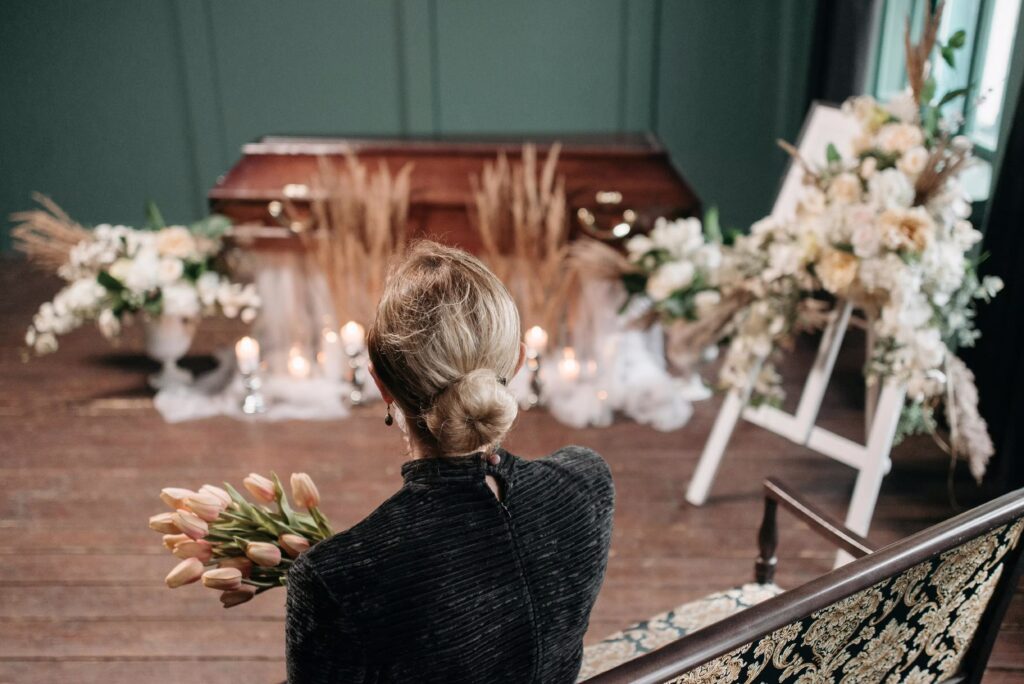
Planning the Funeral or Cremation
Once the immediate legal requirements are underway, attention turns to honouring your loved one’s life. This stage is deeply personal. Some families prefer a traditional burial, while others choose cremation followed by a memorial service or celebration of life.
In Cape Town’s culturally diverse communities, funeral practices can vary widely. Muslim burials often take place within 24 hours, while other traditions may allow more time for gathering family members. Religious, cultural, and personal wishes all shape the final arrangements, this will vary depending on the death at home in Cape Town.
A compassionate funeral director helps guide these decisions gently, offering options without pressure and ensuring that the service reflects the life, values, and beliefs of the person being honoured.
The Emotional Impact of a Death at Home
When someone passes away in their own home, the emotional impact can feel particularly profound. The space itself may hold strong memories, and returning to daily routines can be difficult in the days and weeks that follow.
It is important to allow yourself time to process what has happened. Speaking openly with trusted family members, seeking grief counselling if needed, and leaning on community support can all play an important role in healing. Many funeral homes can recommend local grief support resources within Cape Town should families need additional guidance.
Children and elderly relatives may require special care and reassurance. Honest, gentle explanations and inclusion in memorial rituals, where appropriate, can help them process the loss in a healthy way.
How Long Can Someone Remain at Home After Death?
This is one of the most common concerns families have. Once death has been confirmed, the deceased should be transferred into professional care as soon as reasonably possible. While brief periods at home may sometimes be observed for cultural or religious reasons, proper refrigeration and handling are essential to preserve dignity and meet health standards.
Your funeral director will advise you clearly on what is lawful and appropriate in your circumstances.
A Steady Hand During an Uncertain Time
When there is a death at home in Cape Town, families are often navigating shock alongside legal, logistical, and emotional challenges. The most important thing to remember is that you are not expected to manage everything on your own.
By contacting a trusted funeral home promptly, you place the practical responsibilities into experienced hands. This allows you the space to grieve, to gather family, and to begin honouring the life that has been lived.
Whether the death was expected or sudden, professional guidance ensures your loved one is treated with dignity from the very first moment. And in a time that feels uncertain, having calm, knowledgeable support close to home can make all the difference.
Bayview Funeral Home – Cape Town
Phone: 064 994 9332
Website: www.bayviewfuneralhome.co.za
Email: info@bayviewfuneralhome.co.za